
Raised Beds & Garden Structures
Raised beds and garden structures add character, structure and functionality to outdoor spaces. They are ideal for planting, defining areas and introducing visual interest into garden designs.
Raised beds can be used for flowers, shrubs, vegetables or decorative planting, offering improved drainage and easier maintenance. They can be built from a range of materials and customised to suit the style and layout of your garden.
Garden structures such as planters, retaining walls and edging features help organise outdoor spaces and enhance their overall design. These features provide both practical benefits and aesthetic value.
Well‑built raised beds and structures improve the usability of gardens while creating a polished, professional finish.
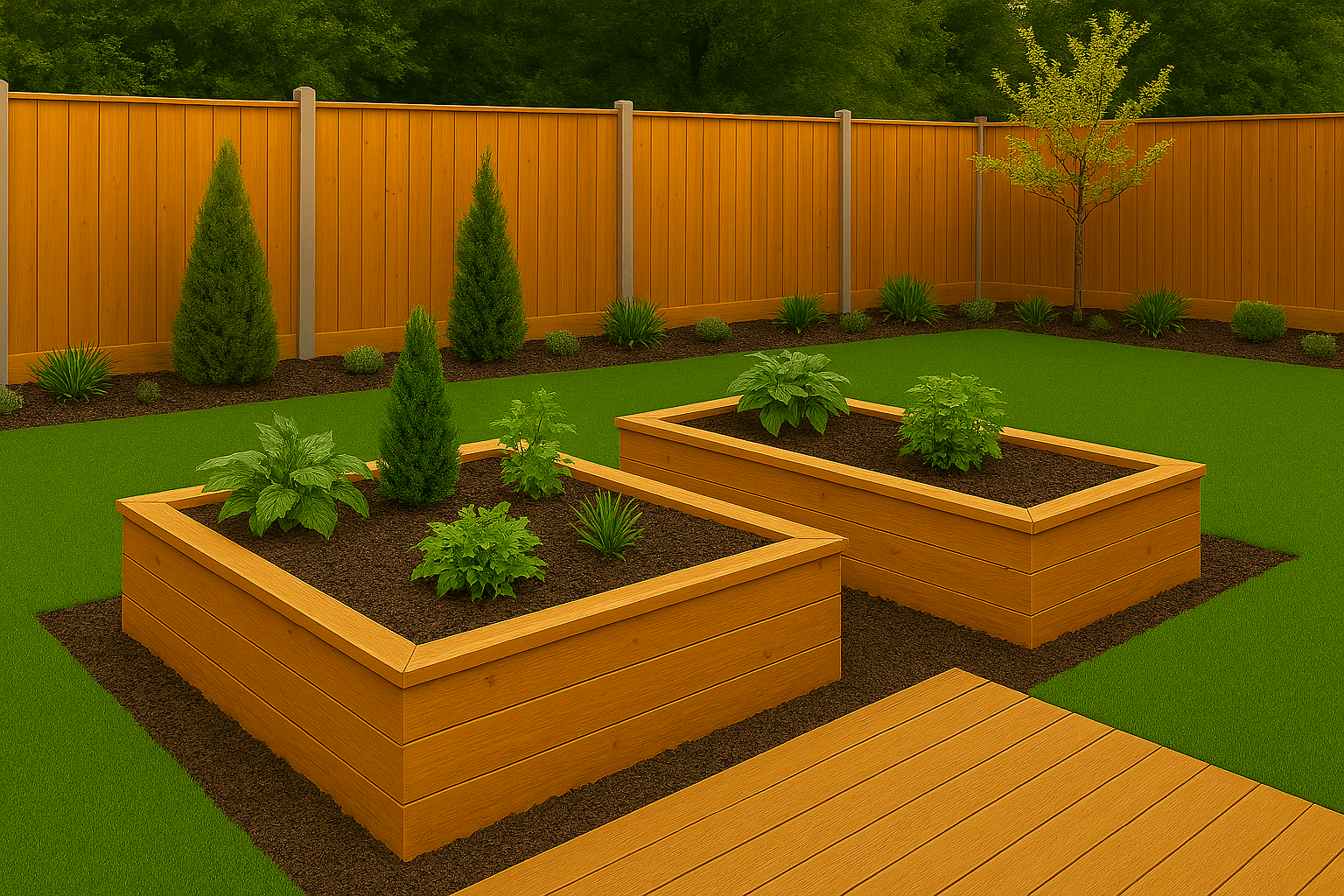

We had raised beds built in our garden in Bursledon and they’ve completely transformed the space. Everything looks so much more structured and easier to manage. The finish is excellent and exactly what we were hoping for.
Really pleased with the raised beds and garden features installed at our home in Titchfield. The team helped design something that works perfectly with the layout of our garden and the quality of the work is fantastic.
Our garden in Marchwood needed some structure and the new raised beds have made a huge difference. They look great and have made planting so much easier. The whole process was smooth and very professional.
Raised Beds & Garden Structures – Frequently Asked Questions
Raised garden beds are freestanding structures filled with soil that sit above ground level. They are commonly used for growing vegetables, herbs, and flowers, and are especially popular in UK gardens with poor drainage or heavy clay soil. Raised beds improve soil control, drainage, and accessibility while creating a neat, structured garden layout.
Contact us for a free, no‑obligation site assessment and quote.
Raised beds offer several advantages in the UK climate. They improve drainage during wet weather, warm up faster in spring, extend the growing season, reduce weed problems, and make gardening easier by reducing bending and strain. They are also ideal for smaller or paved gardens.
Considering raised beds or garden structures in Southampton?
Contact us for a free, no‑obligation site assessment and quote.
Common raised bed materials include timber, metal (such as aluminium or galvanised steel), brick, stone, and recycled plastic. Timber is the most popular choice due to its natural appearance and affordability, while metal and masonry options offer much longer lifespans and minimal maintenance.
Considering raised beds or garden structures in Southampton?
Contact us for a free, no‑obligation site assessment and quote.
The lifespan of raised beds depends on the material used. Pressure‑treated timber beds typically last 5–10 years, aluminium or steel beds can last 20–30 years, and brick or stone raised beds can last a lifetime. Choosing durable materials is especially important in the UK’s damp climate.
Considering raised beds or garden structures in Southampton?
Contact us for a free, no‑obligation site assessment and quote.
Most raised beds do not require concrete foundations. They are usually installed directly on soil, grass, or paving with a weed membrane underneath. Heavier structures such as brick or stone raised beds may require a solid base for long‑term stability.
Considering raised beds or garden structures in Southampton?
Contact us for a free, no‑obligation site assessment and quote.
Garden structures include features such as pergolas, arbours, gazebos, trellises, raised planters, sheds, and other freestanding or attached outdoor structures. They are used to create shade, define zones, support plants, or add storage and visual interest to a garden.
Considering raised beds or garden structures in Southampton?
Contact us for a free, no‑obligation site assessment and quote.
Many garden structures fall under permitted development and do not require planning permission if they meet size, height, and location rules. Structures must not exceed height limits, cover more than 50% of the garden, or be positioned forward of the main elevation of the house. Listed buildings and conservation areas usually have stricter rules.
Considering raised beds or garden structures in Southampton?
Contact us for a free, no‑obligation site assessment and quote.
In most cases, pergolas do not need planning permission if they meet permitted development guidelines. Typically, pergolas must be under 2.5m high if within 2m of a boundary, not cover more than 50% of the garden area, and not be installed at the front of the property facing a road. Planning rules can vary locally, so checks are recommended.
Considering raised beds or garden structures in Southampton?
Contact us for a free, no‑obligation site assessment and quote.
Yes. Raised beds and lightweight garden structures can be installed on patios, decking, or paved areas, provided the surface is level and capable of supporting the weight. This makes them suitable for modern gardens with limited lawn space.
Considering raised beds or garden structures in Southampton?
Contact us for a free, no‑obligation site assessment and quote.
Yes. Raised beds are suitable for year‑round gardening in the UK. They warm up earlier in spring and drain more effectively in winter. Adding covers, cloches, or small hoop structures can further extend the growing season and protect plants from frost and pests.
Considering raised beds or garden structures in Southampton?
Contact us for a free, no‑obligation site assessment and quote.
Yes. Well‑designed raised beds and garden structures enhance visual appeal, improve garden usability, and contribute to a structured, landscaped look. These features can make a garden more attractive to buyers and improve overall kerb appeal.
Considering raised beds or garden structures in Southampton?
Contact us for a free, no‑obligation site assessment and quote.