
Fencing & Fence Installation in Southampton
Looking for fencing installation in Southampton? We supply and install high‑quality garden fencing tailored to your property. From wooden fence panels to secure boundary fencing, our solutions improve privacy, security and the overall appearance of your garden. Many Southampton gardens require fence replacement due to weather exposure, age or storm damage, making professional installation essential.
Domestic & Commercial Fencing
Fencing plays an important role in defining boundaries, improving security and enhancing the appearance of your garden or grounds. The right fencing solution balances privacy, durability and visual appeal.
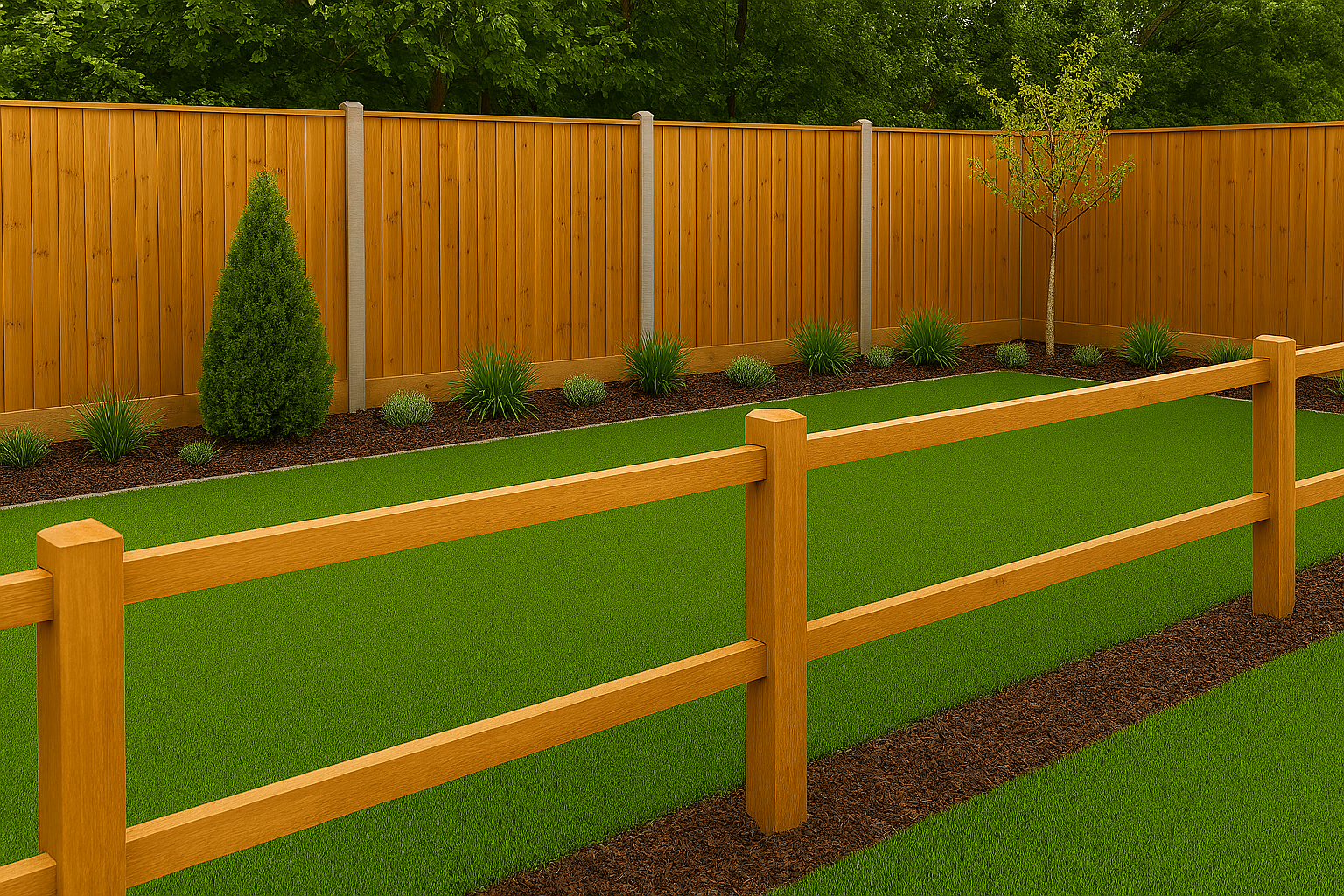
A wide range of fencing styles can be installed, from traditional closeboard and panel fencing to decorative and contemporary designs. Each option can be tailored to suit your property, whether you are looking to improve privacy, protect pets or create a neat garden boundary.
Professional installation ensures fencing is securely fixed, level and built to withstand the British climate. Quality materials and careful workmanship result in a long‑lasting finish that complements your outdoor space.
Fencing solutions are suitable for residential gardens, commercial sites, schools and shared spaces.

We had all of our fencing replaced at our property in Stubbington and the difference is huge. The new fence looks strong, neat, and really finishes the garden off nicely. The team worked efficiently and left everything clean and tidy.
Really pleased with the new fencing installed at our home in Dibden Purlieu. The quality of the materials is excellent and it feels much more secure now. The whole process was straightforward and professional from start to finish.
Our old fence was falling apart, so we decided to replace it and couldn’t be happier with the result. The new fencing in our garden in West End looks fantastic and has given us much more privacy. Great workmanship and a friendly team.
Fencing – Frequently Asked Questions
There are several popular fencing types used in UK gardens. Common options include closeboard (featheredge) fencing for maximum privacy, overlap or lap panels as a cost‑effective solution, slatted fencing for a modern look with airflow, hit‑and‑miss fencing for windy areas, and picket fencing for front gardens and decorative boundaries. Each type offers different levels of privacy, durability, and appearance.
Contact us for a free, no‑obligation site assessment and quote.
Closeboard (also known as featheredge) fencing is widely considered the best option for privacy. It uses overlapping vertical boards to create a solid barrier, making it ideal for rear and side garden boundaries where screening and security are important.
Looking to install or replace fencing in Southampton?
Contact us for a free, no‑obligation site assessment and quote.
In most UK homes, fences can be installed up to 2 metres high in rear or side gardens without planning permission. Fences in front gardens or those bordering a public road or pavement are usually limited to 1 metre in height unless planning permission is obtained.
Looking to install or replace fencing in Southampton?
Contact us for a free, no‑obligation site assessment and quote.
Planning permission is not normally required if the fence height stays within permitted development limits. Permission may be required if the fence exceeds height limits, is installed next to a highway, or if the property is listed or located in a conservation area. Local council rules may also apply, so it’s always best to check before installation.
Looking to install or replace fencing in Southampton?
Contact us for a free, no‑obligation site assessment and quote.
Yes, you can usually replace an existing fence on your own land without your neighbour’s permission, provided it stays within legal height limits and is positioned on your side of the boundary. If the fence sits directly on a shared boundary, it’s advisable to discuss plans with your neighbour to avoid disputes.
Looking to install or replace fencing in Southampton?
Contact us for a free, no‑obligation site assessment and quote.
Fence height is measured from the natural ground level on the higher side of the boundary. The total height includes fence panels, posts, gravel boards, capping rails, and any trellis added on top. Raising ground levels does not increase the permitted fence height.
Looking to install or replace fencing in Southampton?
Contact us for a free, no‑obligation site assessment and quote.
Timber is the most common fencing material in the UK due to its versatility and natural appearance. Pressure‑treated softwood is widely used for affordability, while premium options include cedar and larch for longer lifespan. Concrete posts are often used for strength and durability, especially with closeboard or panel fencing.
Looking to install or replace fencing in Southampton?
Contact us for a free, no‑obligation site assessment and quote.
The lifespan of garden fencing depends on the materials and installation. Pressure‑treated timber fencing typically lasts 10–15 years, while higher‑quality timbers and concrete posts can last significantly longer when properly installed and maintained.
Looking to install or replace fencing in Southampton?
Contact us for a free, no‑obligation site assessment and quote.
Yes. Fencing can be installed on sloping or uneven ground using stepped panels or by constructing fencing board‑by‑board, such as closeboard fencing. This allows the fence line to follow the contours of the garden while remaining secure and visually consistent.
Looking to install or replace fencing in Southampton?
Contact us for a free, no‑obligation site assessment and quote.
Hit‑and‑miss fencing and slatted fencing are well suited to exposed or windy gardens. Their design allows air to pass through the structure, reducing pressure on fence posts and improving long‑term stability.
Looking to install or replace fencing in Southampton?
Contact us for a free, no‑obligation site assessment and quote.
Fence ownership is usually indicated on property deeds or plans, often marked with a “T” symbol pointing to the responsible side. If ownership is unclear, it’s recommended to check legal documents or discuss responsibility with neighbouring property owners before carrying out work.
Looking to install or replace fencing in Southampton?
Contact us for a free, no‑obligation site assessment and quote.
Yes. Well‑installed fencing improves privacy, security, and kerb appeal, which can positively influence a property’s value and overall appearance, particularly when combined with other landscaping improvements.
Looking to install or replace fencing in Southampton?
Contact us for a free, no‑obligation site assessment and quote.