
Patio & Paving Installation in Southampton
Looking to upgrade your outdoor space with a new patio in Southampton? We design and install high‑quality patios and paving solutions tailored to your garden. From block paving to slab patios, we create durable, attractive surfaces that enhance your garden and add long‑term value to your home. Many Southampton gardens benefit from professionally installed patios due to clay soil and drainage challenges common in the area.
A well‑designed patio creates a practical extension of your living space, offering an inviting area for relaxing, entertaining and dining outdoors. High‑quality patios and paving add structure, value and visual appeal to any garden.
Patios can be constructed using a wide range of materials, including porcelain, natural stone, concrete paving and block paving. Each option offers its own benefits in terms of appearance, durability and maintenance.
Professional installation ensures correct ground preparation, solid foundations and precise laying for a long‑lasting, level finish. Attention to detail in edging, drainage and jointing ensures the patio remains attractive and functional for years to come.
Whether you are looking for a contemporary outdoor seating area or a traditional garden feature, a well‑built patio enhances how you use and enjoy your garden.
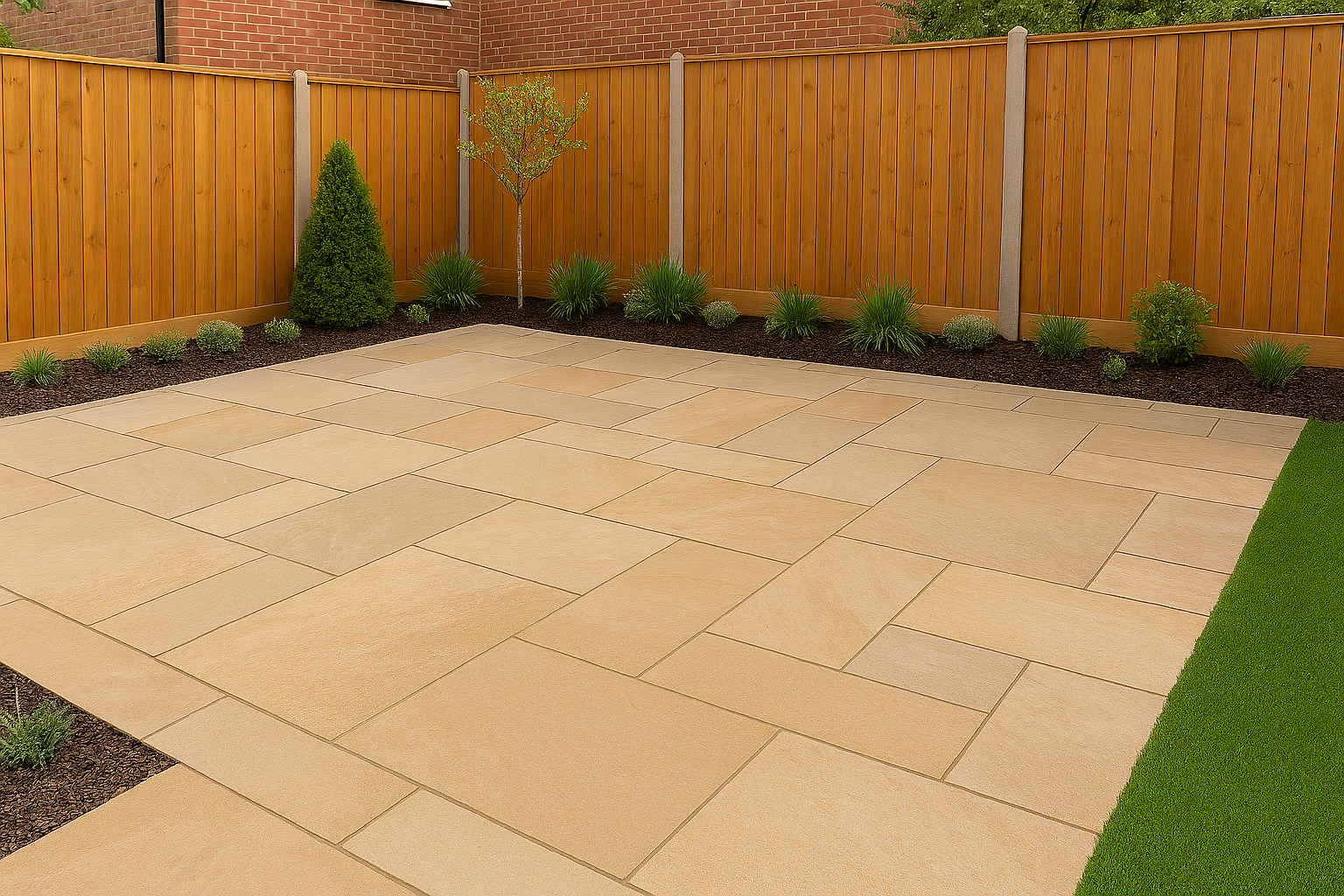

We had a new patio installed at our home in Hamble and the results are fantastic. The paving is perfectly level and the finish looks really high quality. The team were reliable, tidy, and clearly knew what they were doing from start to finish.
Absolutely love our new patio in Sarisbury Green. It has completely transformed the garden and given us a great space to relax and entertain. The workmanship is excellent and everything was completed on time. Would highly recommend.
Great experience from start to finish with our paving project in North Baddesley. The team helped us choose the right materials and the final result looks amazing. It’s made a huge difference to the garden and added real value to the property.
Patios and Paving – Frequently Asked Questions
A patio or paving installation typically includes ground preparation, a compacted sub‑base, laying paving slabs or blocks, jointing, and ensuring correct levels and drainage. Proper preparation is essential to prevent movement, water pooling, and long‑term damage to the surface.
Contact us for a free, no‑obligation site assessment and quote.
Popular patio materials in the UK include porcelain paving, natural stone such as Indian sandstone or limestone, concrete paving slabs, and block paving. Porcelain is low‑porosity and easy to maintain, while natural stone offers a traditional appearance and unique character. The best choice depends on budget, style, and maintenance preferences.
Considering a new patio or paving in Southampton?
Contact us for a free, no‑obligation site assessment and quote.
Yes. Proper drainage is critical for patios and paved areas. Paving should be laid with a slight fall to allow water to run away from buildings. In some cases, drainage channels or permeable paving may be required to prevent standing water and long‑term structural issues.
Considering a new patio or paving in Southampton?
Contact us for a free, no‑obligation site assessment and quote.
In most cases, patios do not require planning permission. However, paved areas over a certain size at the front of a property may need to comply with Sustainable Drainage (SuDS) regulations. Using permeable materials or directing water to a suitable drainage area usually ensures compliance.
Considering a new patio or paving in Southampton?
Contact us for a free, no‑obligation site assessment and quote.
Installation time depends on the size, design, and ground conditions. Smaller patios can often be completed relatively quickly, while larger or more complex paving projects may take longer due to excavation, drainage work, and curing times. An on‑site assessment helps determine timescales.
Considering a new patio or paving in Southampton?
Contact us for a free, no‑obligation site assessment and quote.
Yes. Patios can be installed on sloped or uneven ground by adjusting ground levels, using retaining edges, or incorporating steps where required. Correct groundwork ensures the finished patio is stable, safe, and drains properly.
Considering a new patio or paving in Southampton?
Contact us for a free, no‑obligation site assessment and quote.
A professionally installed patio or paved area can last for many years. Longevity depends on material choice, ground preparation, drainage, and ongoing maintenance. Porcelain and well‑laid natural stone patios are particularly durable when installed correctly.
Considering a new patio or paving in Southampton?
Contact us for a free, no‑obligation site assessment and quote.
No. Patios are generally low maintenance. Regular sweeping and occasional cleaning help prevent moss, algae, and staining. Some natural stone patios benefit from sealing to reduce water absorption and make cleaning easier, especially in damp UK conditions.
Considering a new patio or paving in Southampton?
Contact us for a free, no‑obligation site assessment and quote.
Weeds do not grow up through properly installed paving. Most weeds appear from wind‑blown seeds settling in joints or surface debris. Keeping joints well maintained and the surface clean helps prevent weed growth.
Considering a new patio or paving in Southampton?
Contact us for a free, no‑obligation site assessment and quote.
Some paving materials can become slippery when wet, particularly if moss or algae builds up. Porcelain paving and certain textured stones are designed to be slip‑resistant. Proper drainage and routine cleaning significantly reduce slip risks.
Considering a new patio or paving in Southampton?
Contact us for a free, no‑obligation site assessment and quote.
Yes. Existing patios and paved areas can often be repaired, re‑levelled, or extended. Individual slabs or blocks can usually be replaced if damaged, and layouts can sometimes be adapted to suit future garden changes.
Considering a new patio or paving in Southampton?
Contact us for a free, no‑obligation site assessment and quote.
Yes. Patios and paving are commonly used for commercial properties, communal areas, and rental homes. When designed correctly, they provide durable, low‑maintenance outdoor spaces that withstand higher foot traffic.
Considering a new patio or paving in Southampton?
Contact us for a free, no‑obligation site assessment and quote.